
The short answer
An AI clone for coaches is a digital copy of one coach, built from a short recording and a voice sample, that speaks new scripts on video in that coach’s face and voice. The coach records once, approves scripts in one weekly batch, and posts daily content without filming each video.
What is an AI clone for coaches, in plain words?
An AI clone for coaches is a working copy of the coach on video. You record yourself once on a good day, in clean light, with the energy you bring to a paid session. The tool learns your face, your voice, and the way you talk, and from then on it can deliver a new script as a video of you speaking it.
A coach sells trust before a buyer ever books a call. Wyzowl, in its State of Video Marketing 2026 survey of 266 marketers and consumers fielded in late 2025, found that 91 percent of businesses use video as a marketing tool and 93 percent of video marketers call video an important part of their strategy. For a coach, video is the first sample of the coaching itself, and buyers judge the sample hard.
Charley Cash, founder of Setters and Closers Co., sets the bar in one line. “Your clone has to pass as you on a tired Tuesday, with your own words and your own hard names in the script. If a past client would pause and ask what feels off, the build is not ready.”
Why do coaches run out of filming time first?
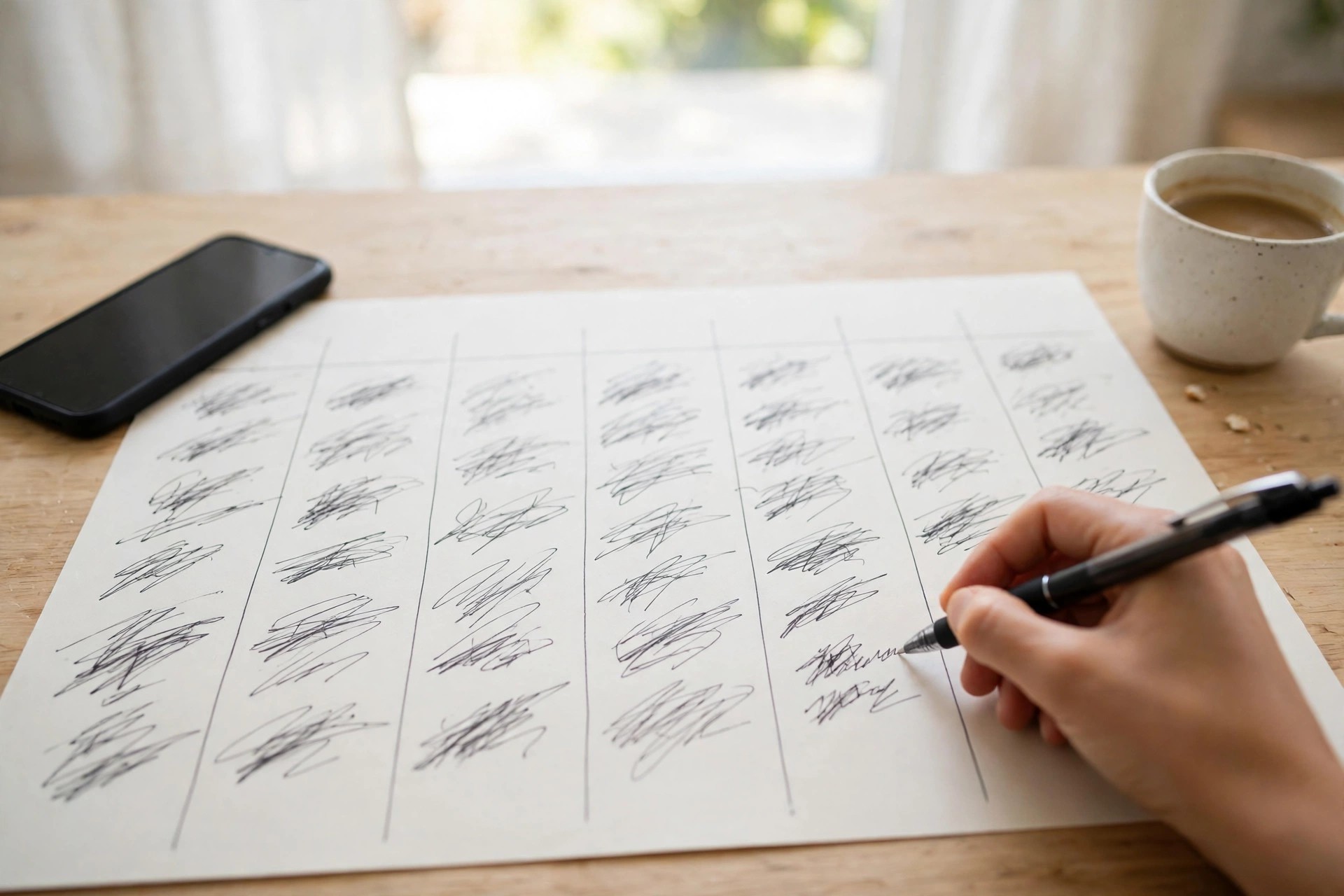
A coach day fills with paid work first. Sessions run back to back, notes and follow up sit between calls, and sales calls land on top of client delivery. Filming needs a quiet room, a set up camera, and a fresh face, and it is the one job that can always move to tomorrow.
The cost of that delay is reach. Short form video now takes 58 percent of all time spent on social media, per DataReportal and We Are Social in the Digital 2026 Global Overview Report published in October 2025. HubSpot, in its State of Marketing Report 2026 survey of more than 3,400 marketers, found that marketers rank short form video first for return on investment at 49 percent, ahead of long form video at 29 percent. A coach who posts twice a month is asking buyers to trust a voice they rarely hear.
Wistia, in its 2026 State of Video Report published in April 2026, found that videos under one minute hold a 52 percent engagement rate. The format that works best for coaches is also the shortest one, which is good news. A daily clone clip can run under a minute and still do the job of a full filming day, as long as the script earns the watch.
What does a coach post each day with a clone?
The daily job splits into two piles. The clone carries the planned teaching: one short lesson, one buyer question answered, one story from client work told with names changed, and one clear invite to book a call each week. The real coach carries the live work: live sessions, real client calls, live question sessions, and any video where a buyer needs to feel a live room.
Here is the weekly board we set up with coaches. Each row is one day, each clip runs under a minute, and the whole week comes from one batch of scripts approved in a single sitting.
| Day | Clone clip | What it does |
|---|---|---|
| Monday | One mistake your buyers keep making | Opens the week with a pain buyers feel now |
| Tuesday | One step of your method, taught plain | Proves the method has real steps |
| Wednesday | A buyer question, answered on camera | Answers the question your calls repeat |
| Thursday | A client story with names changed | Shows change without naming anyone |
| Friday | What a first call with you covers | Lowers the fear of booking |
| Saturday | A short repost of the best clip that week | Gives the winner a second run |
| Sunday | The real coach, live or filmed by hand | Keeps a human pulse in the feed |
One business coach who works with our team described the shift after her first month on this board. “I stopped apologising for going quiet. The feed kept teaching while I was in sessions, and the calls that booked came in knowing my method before we spoke.”
How do you build an AI clone for coaches, step by step?
The build has four steps, and the recording day decides the rest. First, you record a short clip of yourself talking the way you talk to clients. HeyGen, in its digital twin guide published on October 7, 2026, says about 15 seconds of natural talking can start a twin on its newest engine, and you record a short consent statement in the same sitting. Coaches who want a stronger build record a longer guided session, and the extra minutes give the tool more of your range to learn from.
Second, the tool trains on the clip. HeyGen says processing usually finishes in about 10 to 15 minutes. Third, you judge a test render with a hard script, one with your program name, your prices spoken aloud if you share them, and the words your buyers find hard to say. Fourth, you lock your script routine: who writes the drafts, who reads each one aloud before a render, and what day the weekly batch goes out.
Sound matters as much as the picture for a coach. Your buyers know your voice from calls and podcasts, so a flat room recording trains a flat clone. Record in a quiet room with soft surfaces, speak at session pace, and smile the way you do when a client lands a win. The clone will copy the take you give it, so give it your best working day.
What does the time math look like, by hand and by clone?
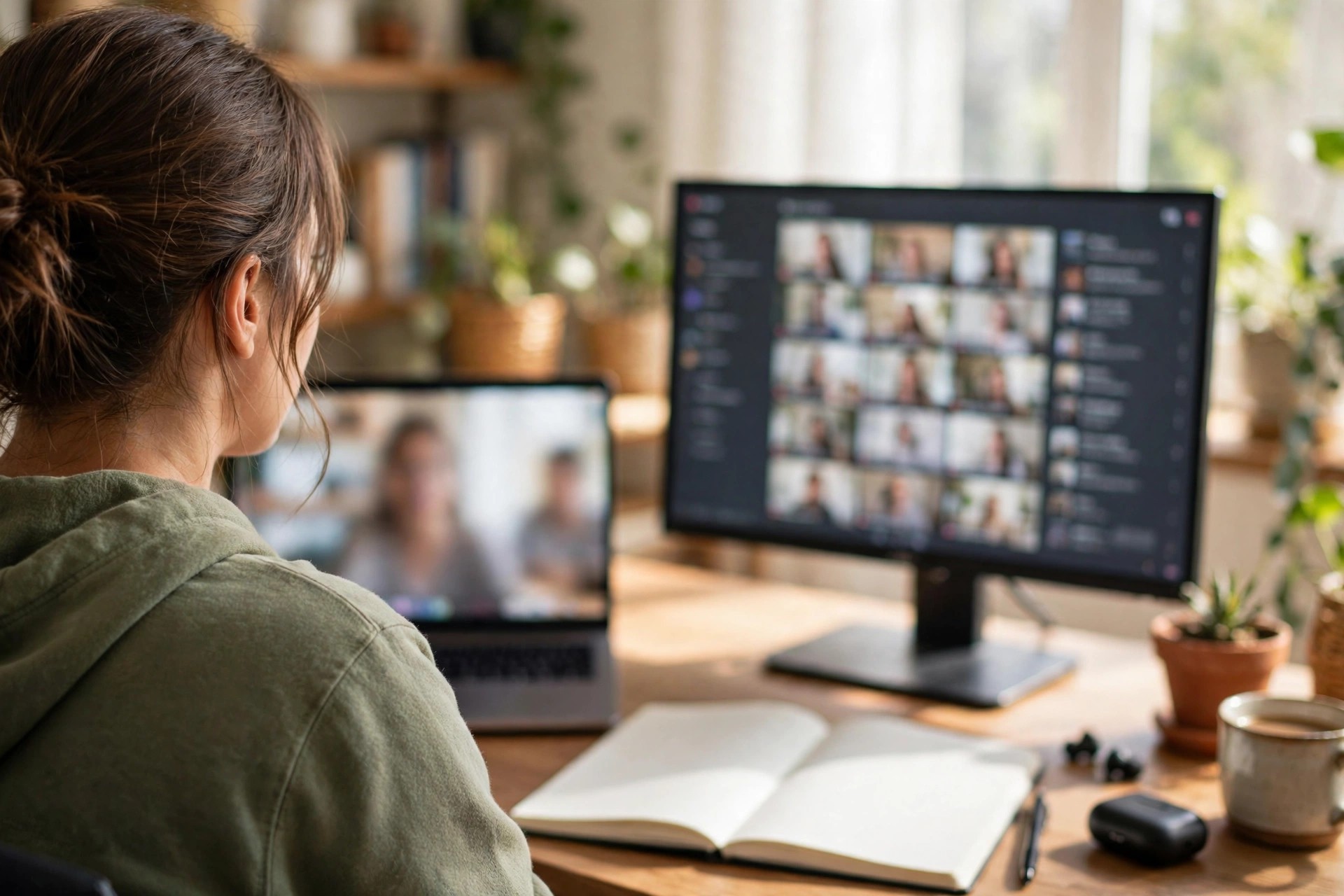
Filming by hand costs a coach about three hours a week for five short clips. Set up and light take 20 minutes, each clip takes three or four takes at about 15 minutes with resets, and upload and caption work adds the rest. That time comes off paid delivery or off the evening, and it is the first block to slip when a client needs help.
The clone batch costs about one hour a week. Scripts for seven clips take about 30 minutes to draft and read aloud, renders run while you work, and review and posting take about 30 minutes more. The coach still films one real clip a week for the Sunday slot, which keeps the feed honest and gives the clone a fresh reference for tone.
| Route | Coach time each week | Clips posted | What breaks first |
|---|---|---|---|
| Filming every clip by hand | About 3 hours | 5 on a good week, none on a hard week | The filming block slips first |
| Clone batch plus one real clip | About 1 hour | 7, with one real | A weak script week, fixed at review |
| Clone only, no real clips | About 40 minutes | 7 | Buyer trust, over time |
On cost, software is the small part. HeyGen lists a free plan with one twin slot and a watermark, and a Creator plan at 29 dollars a month, or 24 dollars a month billed yearly, with 600 credits a month, per its October 7, 2026 guide. The top twin engine, Avatar V, uses 48 credits for each minute of video, so 600 credits cover about 12 minutes of top grade video a month. A daily coach clip under a minute fits inside that budget with room for re renders. Done for you work costs more, because people write, render, and post for you, and the fair test is cost per posted clip that a buyer watched to the end.
What have we seen when coaches put a clone to work?
Our first lesson was that scripts decide the result. Across our work at Setters and Closers Co., the team has supported 311 businesses, booked 22,283 appointments, closed 7,411 new clients, and collected 11 million dollars in cash. Coach scripts that read like sales pages fell flat in clone form, even with a strong build. We moved coaches to scripts written from real call questions, read aloud before any render, and watch time rose because the words sounded like a session, in the order a buyer asks them.
Our second lesson was that the invite has to ride inside the teaching. Clone clips that ended with teaching alone got praise and few calls. Clips that closed with one plain line about what a first call covers, and where to book it, turned viewers into booked calls at a steady pace. If your own calendar needs that flow built end to end, book a Game Plan call here: https://www.settersandclosers.co/#booking
In our view, a coach should treat the clone as a teaching stand in and guard the live rooms with real presence. Buyers forgive a clone lesson. They leave when a paid group call or a live event turns out to be a render with no warning.
Who should get an AI clone for coaches, and who should wait?
Get one if you coach at 3,000 dollars and up, your buyers meet you on video before they buy, and your posting stops every time client work gets busy. At that level, one extra booked call can pay for a year of software. Wyzowl reported in its 2026 survey that 85 percent of people said a video had convinced them to buy a product or service, and 63 percent of consumers would most like to learn about a product or service from a short video. Your buyers are already learning from video. The open question is whose face teaches them.
Wait if your offer and message still change each month. A clone delivers your current message at scale, and a moving message fills your feed with clips you will want to pull down. Wait if no one on your team can take a booked call within two days, because fresh attention feeding a slow calendar turns into let down buyers. Wait, too, if you plan to hide the clone. YouTube, TikTok, and Meta each ask creators to label AI made content, and a coach caught hiding a clone loses the trust the clone was built to earn.
What mistakes do coaches make with an AI clone?
The first mistake is cloning a flat take. A tired, stiff recording trains a tired, stiff clone, and buyers feel the drop in energy before they can name it. Record on a good day, after a win if you can, and judge the test render next to real footage of yourself.
The second mistake is letting a clone read praise that never happened. The Federal Trade Commission final rule on fake reviews and testimonials, announced on August 14, 2024 and in effect from October 21, 2024, bans testimonials that pretend to come from people who do not exist or never used the product, and knowing violations can cost up to 53,088 dollars each. A clone reading your words is still you making the claim, on camera.
The third mistake is sending the clone into live rooms. A clone belongs in planned clips, lessons that need updates, and answers to repeat questions. Live coaching, live selling, and live question time stay with the real coach, stated plainly. The fourth mistake is judging the build by a ten second demo. Ask for a full clip at your real length, on your script, with your program name in it, and ask who owns the twin if you cancel the plan.
Frequently asked questions
What is an AI clone for coaches in one sentence?
An AI clone for coaches is a digital copy of one coach, built from a short recording and a voice sample, that speaks new scripts on video in that coach’s face and voice. The coach records once, approves a weekly batch of scripts, and posts daily teaching clips without filming each one.
How much filming does a coach need to do to build one?
On HeyGen, about 15 seconds of natural talking can start a twin on its newest engine, plus a short consent statement in the same sitting, per the October 7, 2026 guide. Most coaches record a longer guided session for a stronger build, and one strong take matters more than a long one.
Will my clients know the videos are a clone?
Many clients will spot small signs, and the main platforms ask you to label AI made videos in any case. Most buyers accept a clone lesson when the teaching is real and the setup is open. Trust drops when a coach hides the clone or sends it into a live room without warning.
What should a coach keep filming by hand?
Keep the live work by hand: live question sessions, sales calls, group coaching, and one real clip each week for the feed. The clone carries planned teaching, repeat answers, and lesson updates. That split keeps your presence real where buyers pay for presence, and steady where they only need teaching.
How many clips can a coach post from one weekly batch?
A one hour batch can cover seven short clips, one for each day, with each clip under a minute. On HeyGen Creator, 600 credits cover about 12 minutes of top grade Avatar V video a month, so a daily short clip fits with room left for re renders and fixes.
What does an AI clone for coaches cost?
Software starts free with a watermark on HeyGen, and the Creator plan costs 29 dollars a month, or 24 dollars a month billed yearly, per the October 7, 2026 guide. Done for you builds cost more, because a team writes the scripts, runs the renders, and posts the clips for you each week.
Ready to post every day without living on camera?
Count the clips you posted in the last 30 days, then count the client hours that ate the filming time you had planned. That gap is the job an AI clone for coaches has to close, and it closes with one good recording, one weekly script batch, and a feed that keeps teaching while you coach.
Book your Game Plan call here: https://www.settersandclosers.co/#booking
About the author
Charley Cash is the founder of Setters and Closers Co., a sales team agency in Fort Worth, Texas. His team builds the AI Sales Loop OS for high ticket businesses: GoHighLevel systems, Meta ads, an AI appointment setter, and A-Player closers who close on Zoom. His own content runs on his AI clone, because he films nothing.
Sources
- Wyzowl, State of Video Marketing 2026, survey of 266 marketers and consumers fielded in late 2025: 91 percent of businesses use video as a marketing tool, 93 percent of video marketers call video an important part of their strategy, 85 percent of people said a video had convinced them to buy, 63 percent of consumers prefer a short video to learn about a product or service.
- DataReportal and We Are Social, Digital 2026 Global Overview Report, published October 2025: short form video takes 58 percent of all time spent on social media.
- HubSpot, State of Marketing Report 2026, survey of more than 3,400 marketers: marketers rank short form video first for return on investment at 49 percent, ahead of long form video at 29 percent.
- Wistia, 2026 State of Video Report, published April 2026: videos under one minute hold a 52 percent engagement rate.
- HeyGen, How to Clone Yourself With AI, Digital Twin Guide, published October 7, 2026: a twin starts from about 15 seconds of recording plus a consent statement, processing usually finishes in about 10 to 15 minutes, Creator costs 29 dollars a month or 24 dollars billed yearly for 600 credits, Avatar V uses 48 credits a minute, translation covers more than 175 languages and dialects.
- Federal Trade Commission, final rule on fake reviews and testimonials, announced August 14, 2024, in effect October 21, 2024: knowing violations can cost up to 53,088 dollars each.
- Setters and Closers Co. placement records: 311 businesses scaled, 22,283 booked appointments, 7,411 new clients closed, 11 million dollars cash collected.
Related posts
- What Is an AI Clone for Business Owners?
- AI Clone Videos: Post Daily Without Filming
- Appointment Setters for Coaches: How to Find One Who Books Calls That Show Up
- AI Avatar Video Content for Social Media: Post Every Day Without Filming and Turn Views Into Booked Calls
Add Setters and Closers as a preferred source on Google and our new posts show up first for you.
[…] AI Clone for Coaches: Daily Content Without Filming […]
[…] AI Clone for Coaches: Daily Content Without Filming […]
[…] AI Clone for Coaches: Daily Content Without Filming […]